
Best First Phone for a Child? Why Landlines Beat Smartphones (2026)

By Pundarik Ranchhod, Kite Inclusive
Published: 10 Feb 2026 | Updated: 15 Feb 2026 · 8 min read

I have three children. My eldest is 20 and has special educational needs. My younger two are boys, aged 9 and 11. Between them, they've taught me more about phone technology than any product review ever could, mostly by finding ways around every restriction I've put in place.
If you're reading this, you're probably where I was a couple of years ago: standing in the middle of a decision that feels impossible, surrounded by conflicting advice, and quietly panicking. I want to share what I've found, not as an expert but as a parent who has spent far too many evenings researching this instead of watching telly.
The 3 Main Options for Your Child's First Phone
The market gives you three broad choices, and none of them are perfect. I wish someone had laid this out for me plainly before I started.
1. Basic Feature Phones (Nokia, etc.)
Feature phones like the Nokia 105 or GPS watches are the cheapest option by a long way. We're talking as little as £111 over a couple of years. No internet, no apps, no drama. The Nokia will also survive being dropped down the stairs, thrown at a sibling, and possibly being run over by a car. I'm not exaggerating. The downside is no GPS tracking, no access to school platforms, and your child will feel like the only kid in class without a group chat. Which, depending on the school, they might be.
2. Dumbphones & Kids Watches
Dumbphone alternatives like Pinwheel sit in the middle. They cost around £500 to £750 over 36 months. Social media is permanently blocked at the firmware level. You get proper parental controls, contact safelists, and scheduled modes. These devices do what smartphones with parental controls promise to do but mostly don't. For a detailed comparison of all the options available in the UK, see our smartphone alternatives guide.
3. Smartphones with Parental Controls
Smartphones with parental controls are what most families default to. They're also the most expensive, typically over £1,000 across 36 months once you add up insurance, in-app purchases, data overages, screen repairs, and the replacement handset when the first one gets dropped in the toilet. Don't laugh. It happens.
Why Parental Controls Fail by Age 11
Here's the thing about parental controls on smartphones. They work brilliantly for about three weeks. Then your children start treating them as a puzzle to solve. I've watched my 11-year-old approach screen time limits with the same strategic intensity he brings to his violin playing. The creativity is genuinely impressive. Time zone manipulation to squeeze extra minutes. Creating new user accounts. Working out that if he asks me to unlock something while I'm cooking dinner and distracted, I'll tap in the PIN without thinking and he's watching my fingers closely.
My 9-year-old is more direct. He just uses his mum's device, since he knows she does not change her password often. Or YouTube on the Apple TV, which I had restricted but Google in their wisdom allows the password to be displayed while you're using the on-screen keypad, so it defeats the whole effort of restriction.
“Bypass rates hit 60 to 90 percent by ages 10 to 11. Half of children with parental controls still encounter inappropriate content.”
The research backs up what I've seen at home. Bypass rates hit 60 to 90 percent by ages 10 to 11. Half of children with parental controls still encounter inappropriate content. And here's the uncomfortable finding: multiple studies show that heavily restrictive monitoring can actually make things worse, because children never learn to regulate themselves. They just get better at sneaking.
Parents and Screen Time: Being Honest with Ourselves
Before I get too righteous about my children's screen habits, I should mention that I checked my own screen time stats last week and nearly fell off my chair. I tell the boys to put their devices down at dinner. I also reply to WhatsApp messages at dinner. I tell them screens off at 8pm. I'm scrolling the news at 11pm. Children are extraordinarily good at spotting hypocrisy, and mine have developed a forensic ability to point it out.
If we're asking our children to have a healthy relationship with phones, we need to model what that looks like. I'm not brilliant at this. I'm working on it. But I think any honest conversation about children and phones has to include the bit where we look at our own habits and wince slightly.
The Smartphone Free Childhood Movement
Something significant is happening right now that makes this decision less lonely than it used to be. The Smartphone Free Childhood movement has grown from a handful of worried parents into a nationally coordinated campaign, with thousands of UK families pledging to delay smartphones together. This matters enormously, because the single biggest reason families hand over a smartphone is peer pressure. Not from the child but from other parents. The fear that your child will be excluded, bullied, left out of the group chat.
“When entire friend groups or school classes commit together, that pressure evaporates. You're no longer the odd family out. You're part of a collective decision that protects everyone's children.”
I've spoken to dozens of parents going through this. The anxiety is real. The guilt is real. The feeling that every option is wrong is real. But the fact that you're thinking about it carefully, reading about it, talking to other parents — that's the opposite of bad parenting. That's exactly what good parenting looks like when the landscape keeps shifting under your feet.
How to Choose the Right Phone by Age
Start with your child's age and their actual social context. Consider what school genuinely requires versus what's merely convenient. Be honest about how much time you can dedicate to monitoring — parental controls demand 50 to 100 hours a year of active management, and most families don't sustain them. Talk to other parents in your child's year group about making decisions together. And accept that there is no option with zero trade-offs.
For children ages 5 to 8, basic devices or GPS watches deliver optimal outcomes — minimal harm, minimal cost, minimal social pressure. The decision becomes complex at ages 9 to 12 when educational requirements intensify and peer dynamics shift. Families must weigh quantified mental health risks against documented social exclusion, while understanding that parental controls provide unreliable protection requiring sustained effort.
The most intellectually honest advice: there is no perfect answer, only less bad options chosen with clear understanding of trade-offs. The one certainty: doing nothing and handing a 9-year-old an unrestricted smartphone is the worst choice.
Ready to try the fourth option?
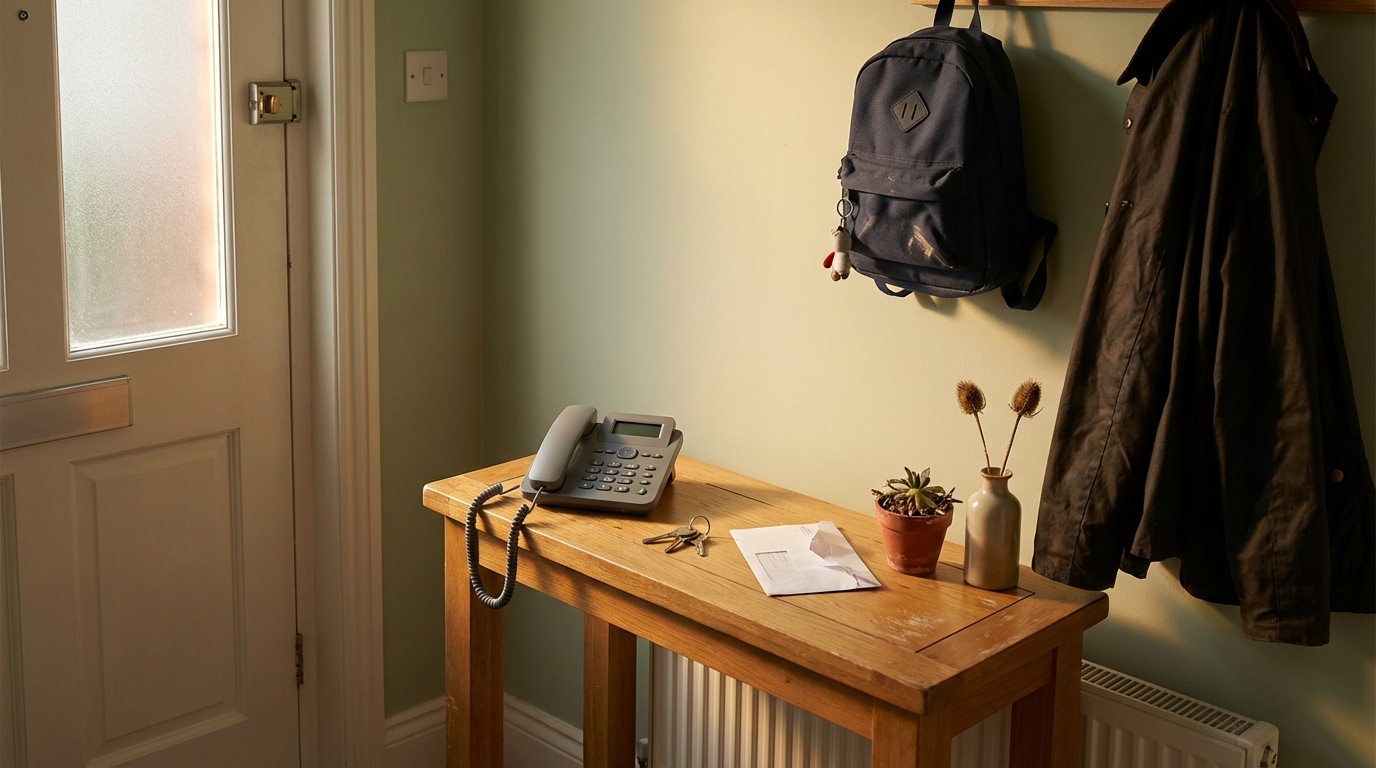
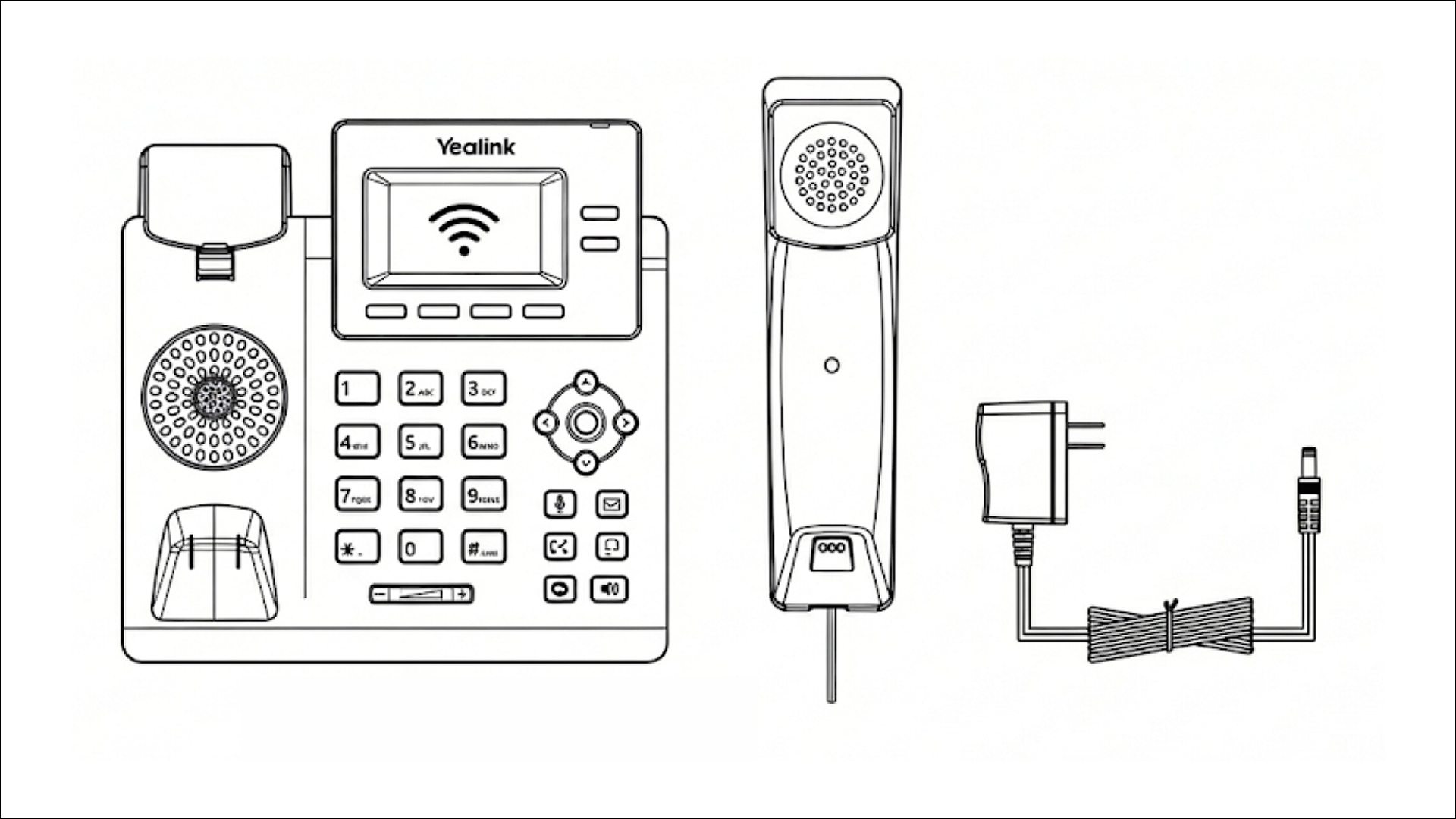
Kite Phone is a screen-free WiFi landline designed for children aged 5-12. No internet, no apps, no monthly contract. See how it works or start your free 30-day trial.
Frequently Asked Questions
Related Guides
How to Set Up a Kids VoIP Landline Phone at Home | UK Parent Guide 2026
25 Jan 2026 · 8 min read