
Smartphone Alternatives for UK Children: What Actually Works (2026)

By Pundarik Ranchhod, Kite Inclusive
Published: 4 Feb 2026 | Updated: 20 Mar 2026 · 8 min read
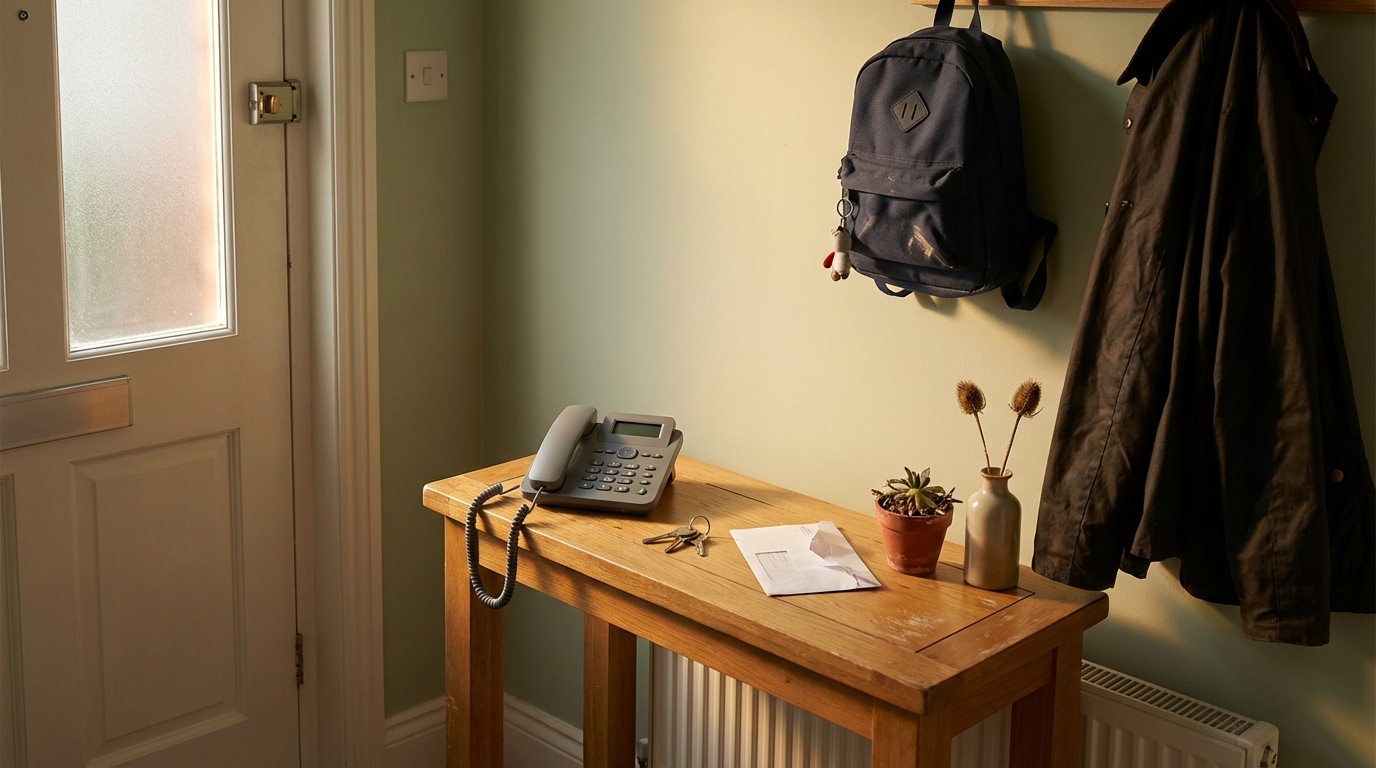
The question is not which phone to buy. It's also about which phone for kids without internet. The tougher question is whether to hand over a screen at all.
Every alternative to a standard smartphone falls into one of three categories. Each solves a different problem and creates a different trade-off. Parents who confuse the categories end up buying the wrong device, discovering the limitation three weeks later, and starting the search again.
This guide covers what each category actually does, what it costs over three years, and which ages it suits. No category is perfect. The right choice depends on your child, your household, and what you are trying to protect against.
Three approaches, not three products. The British market splits into three distinct strategies for giving a child communication without giving them a smartphone.
Delay entirely. Hand them a basic phone or a VoIP landline. No apps, no browser, no screen beyond a tiny LCD. The child calls and is called. Nothing else. This removes the problem at source but limits what the device can do.
Manage the smartphone. Buy a standard Android handset and lock it down with parental controls, monitoring software, or a purpose-built operating system like Pinwheel. The child holds a real smartphone with restricted access. This preserves digital literacy development but creates an ongoing arms race between the controls and a motivated child.
Replace the entertainment. Devices like the Yoto Player and the incoming NODI Flip provide curated audio content and closed-loop messaging. They solve the screen-time problem but do not solve the communication problem — they cannot dial a real phone number or reach emergency services. This category is covered in depth in the full comparison of every phone alternative for UK children and is not repeated here, because these devices are not phones.
The first two categories are the ones that matter for parents looking to replace a smartphone's calling function. Here is what each actually delivers.
Basic phones
The default British compromise sits in a blister pack at Tesco.
A Nokia 105 costs twenty quid. A Nokia 2660 Flip costs thirty. Slap in a Pay-As-You-Go SIM card from any carrier and the child can call any number in the country, including 999. No apps. No browser. No group chats. No algorithms. Battery lasts days, not hours.
The advantages are real. The device is portable — it goes to school, to the park, on the bus. If you need your child reachable outside the house, a basic phone is the cheapest and most direct solution available. Total cost over three years ranges from £220 to £620 depending on the SIM plan and whether the child breaks the handset (they will break the handset).
The limitations are also real. There is no group calling. The child must memorise or look up full eleven-digit phone numbers to reach friends. T9 texting is so tedious that most children under ten give up and use the phone only to call you. There is no GPS tracking, so you have no idea where the device is unless the child answers it. And SMS texting, once it starts in earnest around age eleven, becomes its own distraction — a slow-motion version of the same peer-pressure dynamics that make smartphone group chats corrosive.
A basic phone is a blunt instrument. It solves the reachability problem outside the home. It does not solve the social connectivity problem inside it.
VoIP home phones
A VoIP home phone sits on a desk and stays there.
The child picks up a physical handset, dials a four-digit code, and is connected to a friend's mobile, a grandparent's landline, or emergency services. The call runs over the home broadband connection. There is no screen beyond a small LCD showing the number dialled. When the child leaves the house, the phone stays behind.
Kite Phone is a VoIP landline service built specifically for this use case. It costs £14 per month on a 36-month contract with no upfront device cost, no SIM card, and no additional subscriptions. Total cost over three years: £504. The service includes conference calling — up to five people on a single call — which turns out to be the feature children actually use. After-school group calls, homework help lines, coordinating weekend plans. The social function of a group chat, delivered by voice, with no typing, no screenshots, and no residual text to be screenshotted and forwarded.
The trade-off is geographic. The phone requires a WiFi connection. It does not leave the house. A child walking to school or at the park carries no device. For families with children aged five to nine who are rarely out of adult supervision, this limitation is irrelevant. For families with children who walk to school independently, it means pairing the VoIP phone with a basic handset or a GPS watch for out-of-home reachability.
The combination of a VoIP home phone and a basic phone or GPS watch covers both the social connectivity problem (at home) and the reachability problem (outside). The full comparison guide maps out these combination strategies in detail.
Managed smartphones
A managed smartphone is a standard Android device with restrictions layered on top.
The approach ranges from free parental control software (Google Family Link, Apple Screen Time) to paid third-party monitoring (Qustodio, Bark) to purpose-built operating systems (Pinwheel, which launched in the UK in late 2024). The hardware is a normal phone. The software attempts to control what the child can access.
The best implementations — Pinwheel in particular — do this well. Social media is blocked at the OS level and cannot be re-enabled by the child. The app library is curated with safety ratings. The parent portal provides remote visibility of texts, calls, location, and app usage. For a parent whose twelve-year-old needs a phone for secondary school, this is a defensible choice.
The problem is structural, not technical. A managed smartphone is still a smartphone. The child holds a glass rectangle that demands visual attention, fits in a pocket, and accompanies them everywhere. The parental controls restrict what they can access but do not change the fundamental relationship between the child and the device. The research on this point is clear and growing: children whose phone usage is monitored but not removed develop weaker self-regulation than children who are not given the device in the first place. The surveillance itself becomes a source of anxiety for both parent and child.
“A managed smartphone is still a smartphone. The parental controls restrict what they can access but do not change the fundamental relationship between the child and the device.”
Cost is the other structural issue. Pinwheel's UK pricing runs £239 to £479 for the device, plus £13.99 per month for the software subscription, plus a separate SIM contract with a UK carrier at £5 to £10 per month. Over three years, the total sits between £920 and £1,320. A DIY approach using a second-hand Android with Family Link costs less (£300 to £700 over three years) but offers weaker controls that a determined child can bypass through factory resets, secondary Google accounts, or VPN apps.
If your child is under eleven and you are choosing their first communication device, a managed smartphone is solving tomorrow's problem today. They do not need app management or browser filtering if there are no apps or browsers to manage.
For parents actively evaluating Pinwheel, a detailed UK cost breakdown and comparison is published separately.
The real cost over three years
Strip away the marketing and compare what leaves your bank account over thirty-six months.
| Option | Upfront cost | Monthly cost | 36-month total | Group calling | Screen-free | Portable |
|---|---|---|---|---|---|---|
| Basic phone (Nokia + PAYG) | £20–£80 | £5–£15 | £220–£620 | No | Yes | Yes |
| VoIP home phone (Kite Phone) | £0 | £14 | £504 | Yes (up to 5) | Yes | No |
| Managed smartphone (Pinwheel) | £239–£479 | £19–£24* | £920–£1,320 | No | No | Yes |
| Managed smartphone (DIY) | £100–£300 | £5–£15 | £280–£840 | Via apps | No | Yes |
*Pinwheel subscription (£13.99/mo) plus SIM contract (£5–£10/mo)
The table exposes the core arithmetic. A managed smartphone costs two to three times more than a basic phone or a VoIP landline, and the additional spend buys a screen, not a capability. Group calling — the feature children aged five to eleven use most — is absent from both basic phones and Pinwheel. It exists only on the VoIP landline.
Which approach fits which age
Ages 5–7. The child is almost always at home or with an adult. Portability is irrelevant. A VoIP home phone gives them independence to call grandparents, friends, and family using simple codes. There is no scenario at this age where a managed smartphone is the right first step.
Ages 8–10. Some children start walking to school or attending activities alone. If your child needs to reach you outside the house, add a basic phone or a GPS watch to the VoIP landline. The landline remains the primary social tool at home. The basic phone is a safety device for transit, not a communication platform. Total monthly cost for the combination: £19–£24.
Ages 11–12. Secondary school brings peer pressure for smartphones. The Smartphone Free Childhood movement advocates delaying smartphones until at least fourteen, and school-gate pacts between families are the most effective tool for removing the social isolation argument. A basic phone for out-of-home use combined with a VoIP landline at home remains the lowest-risk approach through this period. If you choose a managed smartphone, Pinwheel's UK offering is the strongest available option — but understand what you are buying and what it costs before committing.
Still not sure which option is right for your family?
Answer three quick questions about your child's age, your home setup, and what matters most to you. We'll tell you exactly what to expect.
Take the 30-second quizConsidering specific brands?
Looking for Tin Can in the UK?
Tin Can is a US-based screen-free kids phone concept that does not ship to the UK and cannot call external numbers. Kite Phone delivers the same screen-free calling experience with UK pricing, UK support, and calls to any number including 999.
See the full comparisonConsidering Pinwheel?
Pinwheel launched in the UK in late 2024 with devices from £239 and a £13.99/month subscription. Before committing, read the full UK cost breakdown, the surveillance trade-off, and how it compares to a screen-free approach.
Read the Pinwheel UK guideYour child's first phone. £14/month, all-inclusive.
Give your child a phone without the screen. Kite Phone lets children call friends and family from home with zero screen time.
Get Your Kite PhoneFrequently Asked Questions
Related Guides
Best First Phone for Kids UK 2026: GPS Watches vs Dumb Phones vs WiFi Landlines Compared
19 Mar 2026 · 12 min read
How to Set Up a Kids VoIP Landline Phone at Home | UK Parent Guide 2026
25 Jan 2026 · 8 min read