BT Copper Landline Shutdown 2027: Complete UK PSTN Switch-Off Guide

By Pundarik Ranchhod, Kite Inclusive
Published: 20 Jan 2026 | Updated: 28 Apr 2026 · 12 min read
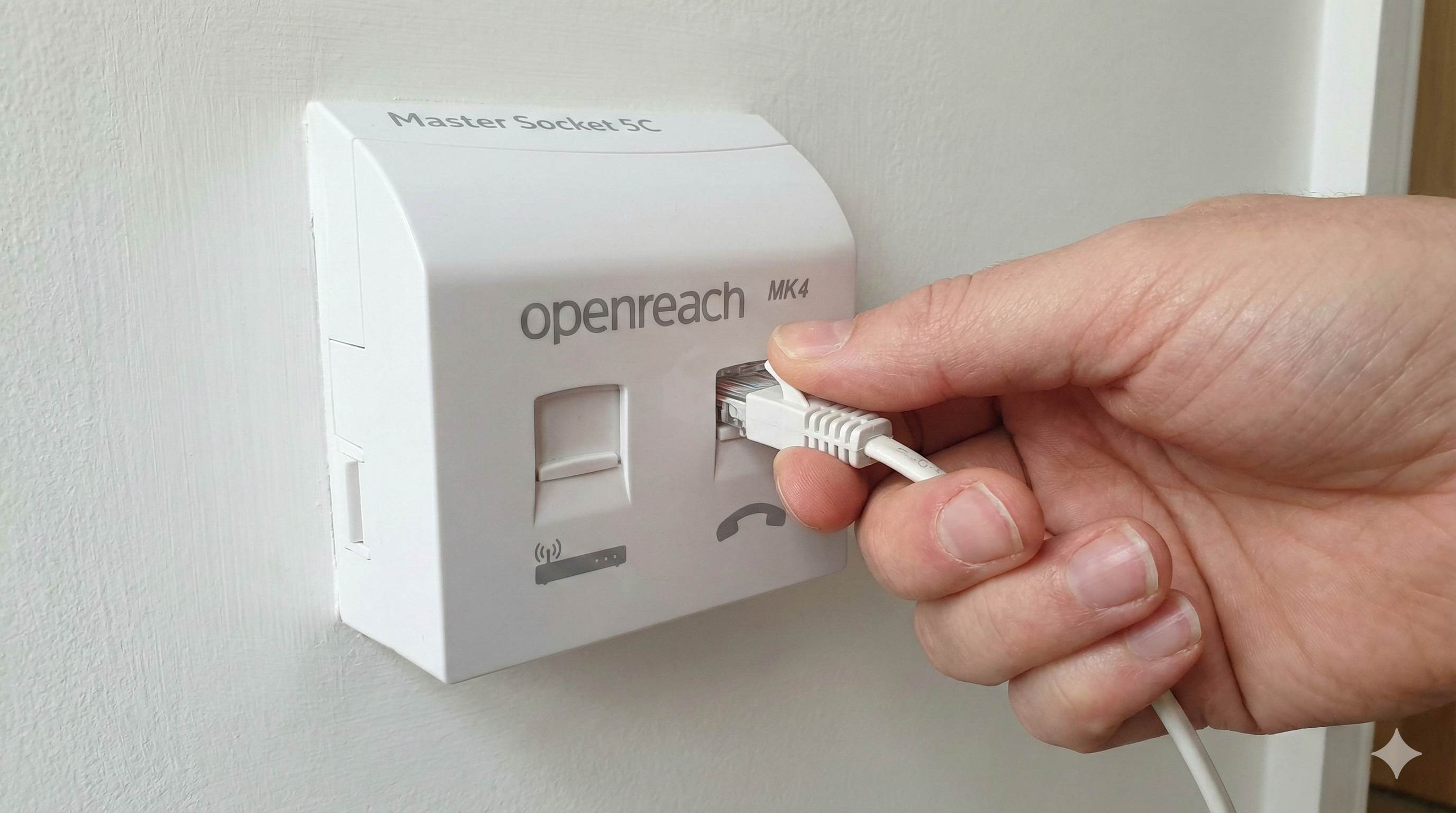
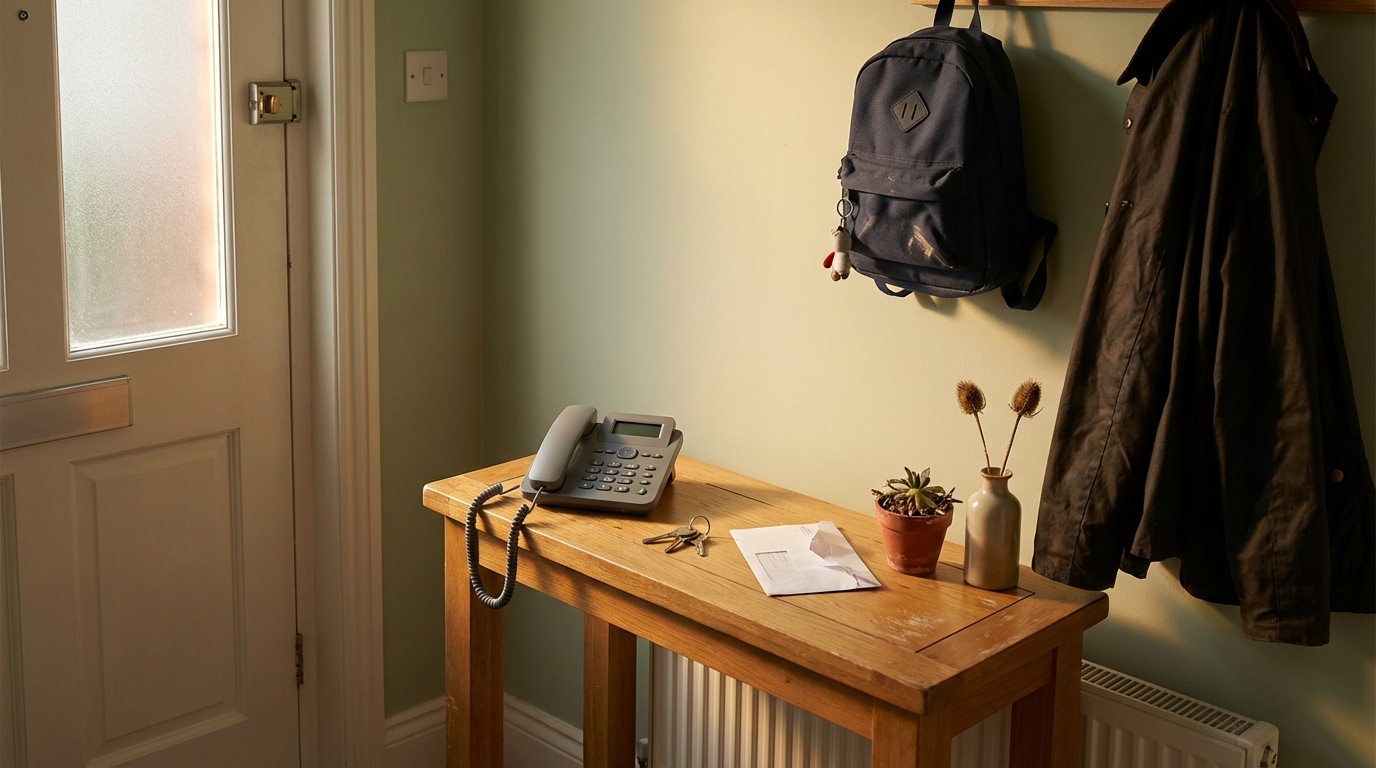
The BT copper landline shutdown is happening. By January 2027, every traditional landline in the UK will stop working as BT's Openreach permanently switches off the copper telephone network. This guide explains exactly when BT is turning off landlines, how to check if your area is affected, and what you need to do to keep your home phone working.
What is happening to UK landlines?
The United Kingdom's traditional copper telephone network -- known as the PSTN (Public Switched Telephone Network) -- is being permanently switched off. BT's Openreach division, which maintains the physical network infrastructure, has confirmed that the copper network will be fully retired by January 2027.
This is the biggest change to UK telecommunications since the telephone was invented. The PSTN has been carrying voice calls since the 1800s, but maintaining ageing copper infrastructure has become increasingly expensive. The switch to digital VoIP (Voice over Internet Protocol) technology is both inevitable and, for most households, an improvement.
What this means in practice: traditional analogue landline phones -- the ones that plug directly into a wall socket and work even during power cuts -- will stop functioning. All voice calls in the UK will move to digital connections, primarily VoIP, which carries calls over broadband internet rather than copper wires.
“The PSTN switch-off is the biggest change to UK telecommunications since the telephone was invented. Every household with a landline will be affected.”
The BT landline switch-off timeline
The BT copper landline switchover is happening gradually across the UK. Here are the key dates you need to know:
- September 2023 -- BT stopped selling new traditional landline products. All new customers receive Digital Voice.
- 2024-2026 -- Phased migration of existing customers to digital voice services. BT is contacting customers area by area.
- December 2025 -- Openreach stops accepting new orders for copper-based products in most exchange areas.
- January 2027 -- Complete PSTN switch-off nationwide. All remaining copper landlines will stop working.
Some areas have already fully transitioned. If you currently have a BT landline, you may have already received communication about migrating to their Digital Voice service, which routes your calls over your broadband connection.
How to check if your area is affected
Want to know when BT will switch off landlines in your area? Here's how to check:
- Check the Openreach website -- Enter your postcode at openreach.com to see the switch-off status for your telephone exchange.
- Call BT customer service -- BT can tell you when your area is scheduled for migration (call 0800 800 150).
- Check your BT bill -- Migration notices appear on bills 3-6 months before your area switches.
- Look for letters -- BT sends physical letters to customers before their area transitions.
Urban areas like London, Manchester, and Birmingham are generally transitioning first. Rural areas with less fibre coverage may switch closer to the January 2027 deadline, as Openreach continues rolling out full-fibre broadband.
How the copper switch-off affects families
For families, the BT landline shutdown has several practical implications you need to understand:
- Old phones may stop working -- Traditional analogue phones that plug into wall sockets will not function after the switch-off unless connected via a VoIP adapter or your provider's Digital Voice hub.
- Broadband becomes essential -- Without copper lines, all communication (including phone calls) requires a working broadband connection.
- Power cut vulnerability -- Traditional landlines worked during power cuts because they drew power from the telephone exchange. VoIP phones require mains electricity and a working router. Consider a battery backup (UPS) if you rely on your landline for emergencies.
- Telecare and medical alarms -- Devices like pendant alarms and fall detectors that use the phone line need upgrading to digital-compatible versions. Contact your provider well before the switch-off.
- Burglar alarms -- Older alarm systems that dial out over the phone line need reconfiguring for VoIP or upgrading to mobile-connected units.
What you need to do to prepare
Don't wait for BT to contact you. Here's a practical checklist to prepare for the copper landline switch-off:
- Check your broadband -- VoIP needs at least 1 Mbps upload speed for good call quality. Run a speed test to verify your connection.
- Audit connected devices -- Make a list of everything using your phone line: phones, fax machines, telecare devices, burglar alarms, payment terminals.
- Decide on your provider -- You can stay with BT Digital Voice or switch to an alternative VoIP provider. Compare features and pricing now while you have time.
- Test your phones -- If staying with BT, test that your existing handsets work with the Digital Voice adapter. Some older phones have compatibility issues.
- Consider power backup -- Purchase a UPS (uninterruptible power supply) for your router if you need your phone to work during power cuts.
- Update emergency contacts -- Ensure your landline number is correctly listed with doctors, schools, and emergency services after any changes.
VoIP: the modern landline replacement
VoIP technology is not new -- businesses have used it for decades. What is new is its availability as a consumer product designed for families. VoIP landlines work by converting your voice into digital data and transmitting it over your broadband connection, then converting it back to voice at the other end.
The good news? VoIP call quality is actually better than traditional copper landlines. Modern HD voice codecs like Opus provide clearer, more natural sound than the technology from the 1970s that the copper network uses. You just need a stable broadband connection.
For children, VoIP landlines like Kite Phone offer advantages beyond simple futureproofing:
- HD voice quality -- VoIP calls using modern codecs sound clearer than traditional copper line calls
- Advanced features -- Group calling, speed dial, call scheduling, and parent portals are all possible with VoIP
- No line rental -- VoIP services do not require a separate phone line, reducing costs
- Works on WiFi -- No physical phone socket needed, place the phone anywhere in your home
- Keep your number -- Port your existing landline number to any VoIP provider
Your landline alternatives compared
When the copper switch-off happens, you have several options for keeping a home phone:
Option 1: BT Digital Voice
BT's own VoIP service. You'll receive a Smart Hub 2 router that connects your existing phone. Pros: seamless migration, keep your number easily. Cons: requires BT broadband, limited features, ongoing line rental costs.
Option 2: Third-party VoIP providers
Services like Vonage, Sipgate, or Voipfone offer VoIP with any broadband provider. Pros: often cheaper than BT, more features, portable between broadband providers. Cons: requires more technical setup, you need to source your own VoIP phone or adapter.
Option 3: Family-focused VoIP (Kite Phone)
Dedicated VoIP services designed for families with children. Kite Phone provides a managed desk phone with parental controls, approved contacts only, and no internet access. Pros: screen-free communication for kids, group calling with grandparents, parent portal. Cons: designed for families, not general household use.
Learn more about setting up a landline for kids or read our complete parent's guide to children's landlines.
Option 4: Mobile only
Some households are using the switch-off as an opportunity to go mobile-only. Pros: one less bill, everyone has their own device. Cons: no fixed number for the household, children need mobile phones to make calls, higher costs with multiple SIMs.
“The BT switch-off may feel concerning, but it is actually an opportunity. VoIP services are more flexible, more feature-rich, and often more affordable than the traditional copper network they replace.”
The BT copper landline shutdown is not something to fear. With proper preparation, the transition to VoIP can actually improve your home phone experience while future-proofing your communications for decades to come.
Frequently Asked Questions
Related Guides
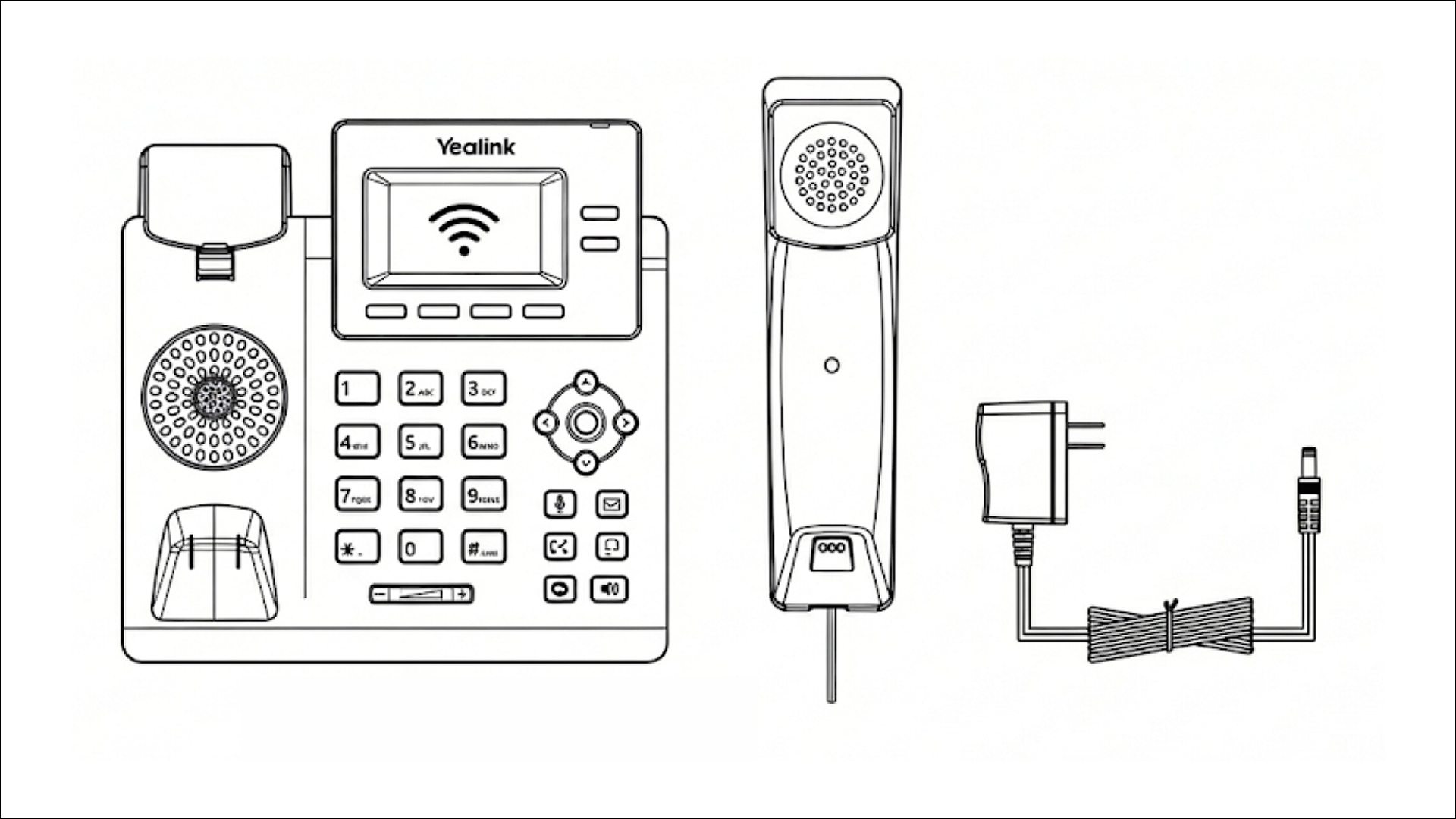
How to Set Up a Kids VoIP Landline Phone at Home | UK Parent Guide 2026
25 Jan 2026 · 8 min read