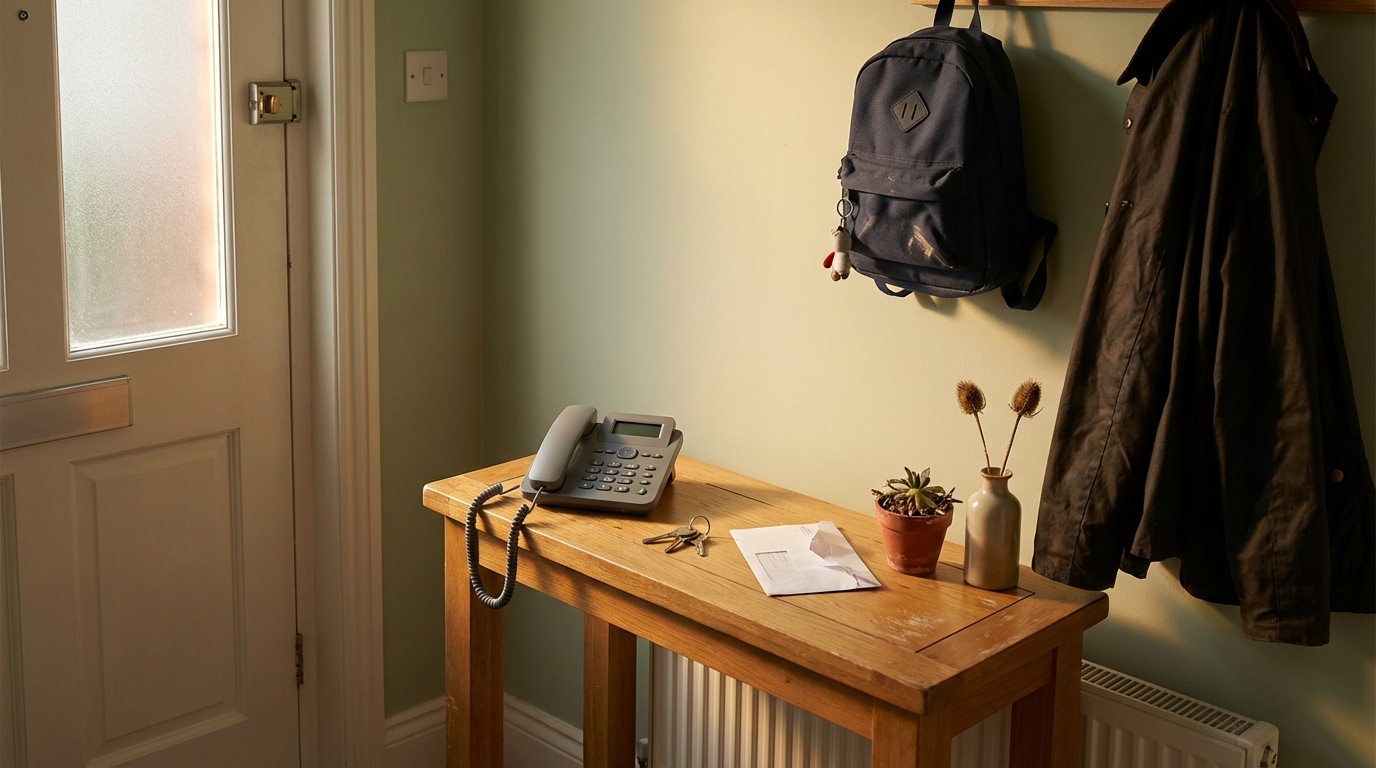
Comparing Children's Landline Options in the UK

By Pundarik Ranchhod, Kite Inclusive
Published: 15 Feb 2026 · 9 min read
Your child wants to call their friends. You want them to have independence. But the leap to a smartphone feels too big, too soon. You're not alone—over half of UK children have smartphones by age 11, yet a growing number of parents are searching for something in between.
This guide covers a third option: the modern landline. Not the beige phone plugged into your wall in 1995, but a WiFi-enabled VoIP phone that connects through your home broadband. No apps. No notifications. No algorithmic rabbit holes. Just voice calls.
We'll explain how these phones work in 2026, compare the UK options available, walk through setup step by step, and address what the 2027 BT copper switch-off means for families considering this route. Whether you're technically confident or prefer a plug-and-play solution, there's an approach that fits.
How VoIP Landlines Work in 2026
The word “landline” is misleading in 2026. Traditional copper phone lines are being switched off across the UK by January 2027. What remains is VoIP—Voice over Internet Protocol—which routes calls through your home broadband rather than dedicated telephone wires.
A VoIP landline phone connects to your WiFi network or plugs into your router via ethernet cable. It looks and functions like a traditional desk phone: physical buttons, a handset, a dial tone. But underneath, it's sending voice data over the internet, the same infrastructure that powers video calls and streaming.
For parents, the key features are what these phones lack. There is no web browser. No app store. No social media. No infinite scroll. No push notifications competing for attention. The phone does one thing: make and receive voice calls. Most VoIP plans include unlimited calls to UK landlines and mobiles (01, 02, 03, and 07 numbers), and the HD voice quality typically exceeds what you hear on a mobile.
Conference calling is standard on most VoIP desk phones, meaning your child can speak with multiple friends simultaneously—a feature that proved unexpectedly popular in family trials. Children used it for after-school catch-ups and impromptu homework help sessions.
The Case for Screen-Free Communication
The conversation about children and phones usually centres on protection: what to block, what to monitor, what to restrict. But there's another framing worth considering. A landline teaches communication skills that smartphones obscure.
When a child answers a landline, they learn to announce themselves, ask who's calling, and take messages. They coordinate playdates by phone rather than text. They call grandparents who may not use WhatsApp. These are practical skills that build confidence and independence without requiring a device designed to maximise engagement.
“Three or four friends would join a conference call after school, chatting while they did homework or planned weekend activities. No group chat notifications. No screenshots. No typing indicators creating social anxiety. Just conversation.”
Group calling emerged as the most valued feature when families trialled VoIP phones with children aged 8–10. Three or four friends would join a conference call after school, chatting while they did homework or planned weekend activities. No group chat notifications. No screenshots. No typing indicators creating social anxiety. Just conversation.
The practical reality of smartphone parental controls also factors into this decision. Research documents bypass rates between 60% and 90% by the time children reach age 10–11. Factory resets, VPN apps, calculator vault apps that disguise social media, time zone manipulation to extend screen time limits—determined children find workarounds. A landline eliminates this cat-and-mouse dynamic entirely. There is no browser to restrict, no app store to lock down, no settings to circumvent. The architectural simplicity is the protection.
This doesn't mean landlines suit every family or every age. But for parents seeking a communication tool rather than a pocket computer, the constraints are features, not limitations.
Looking for a screen-free phone for your child?
Kite Phone gives children real phone calls with no apps, no internet, and no screen time. Start your free 30-day trial.
Get Your Kite PhoneComparing Your Options
The UK market for children's landline solutions is narrower than the US, where services like Tin Can, Gabb, Pinwheel, and Troomi have established the category. British parents have four main approaches, each with distinct trade-offs.
Traditional Cordless Phones
If your household already has a landline service or a VoIP adapter, adding a cordless handset is the simplest option. The Panasonic KX-TGC series and BT Everyday Cordless range from £30–80. Your child gets their own handset that connects to the base station.
The limitation: no remote management, no call logging visible to parents, and no simplified dialling features like 4-digit extensions. The child dials full 11-digit numbers. Monthly cost depends on your existing line rental or VoIP service.
WiFi VoIP Desk Phones
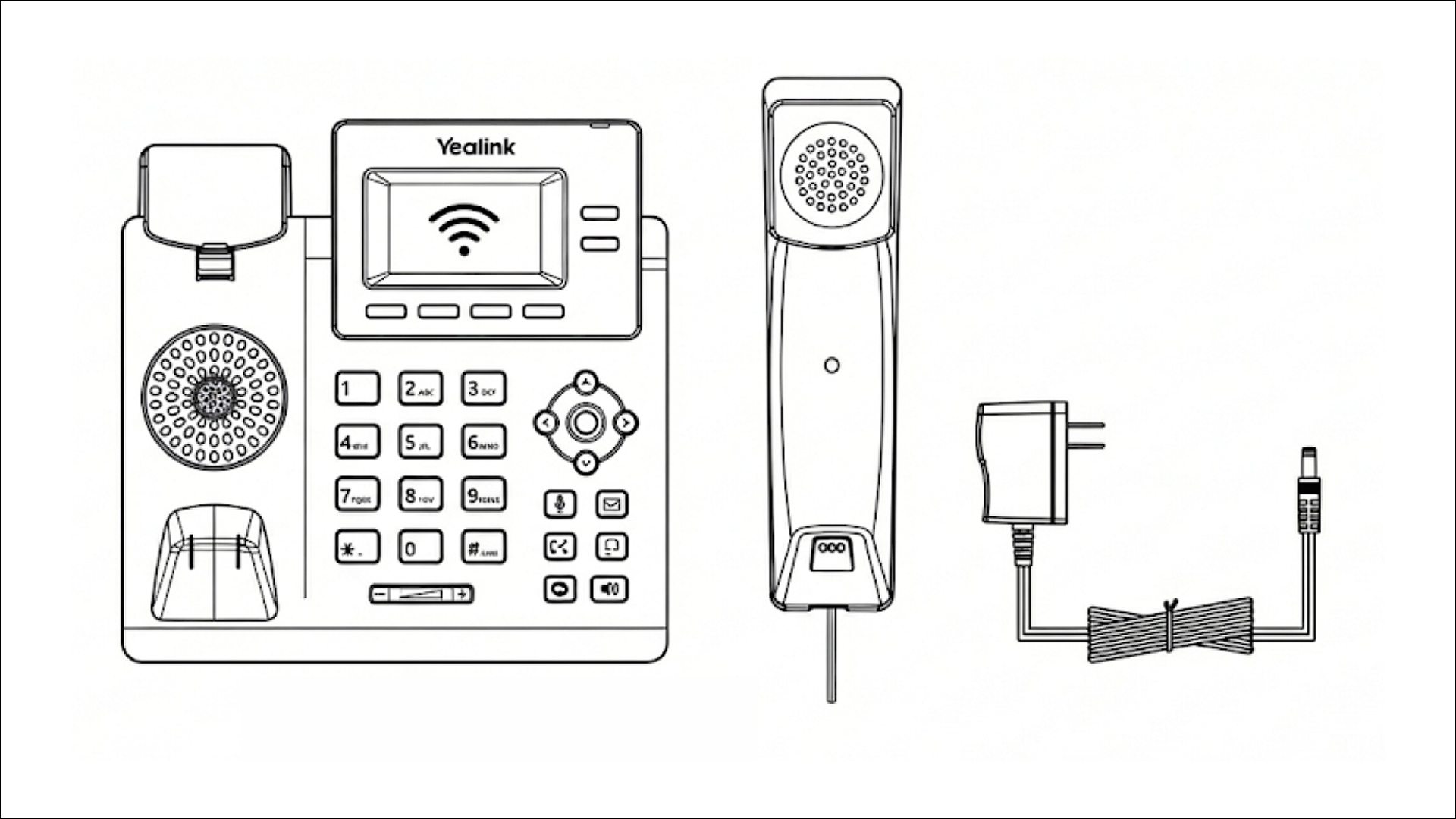
A standalone VoIP desk phone like the Yealink T31W connects directly to your home WiFi. You'll need a VoIP provider account—options include Statcom Telecoms, Sipgate, or Andrews & Arnold. Hardware costs £50–100, with monthly service running £8–14 including unlimited UK calls.
The advantage is flexibility. You can configure speed dials, 4-digit extensions for friends and family, call logging, and conference calling. The disadvantage is setup complexity if you're not technically inclined. This route suits parents comfortable with basic network configuration.
UK Kids' Phone Services
Managed services handle the complexity for you. Kite Phone offers a complete package at £14/month on a 36-month contract, including pre-configured hardware. Flipply has entered the market with a “landline pod” concept. These services provide parent portals showing call history, pre-set contact lists, and plug-and-play setup.
The UK market is nascent. Expect more entrants as demand grows.
Mobile with Data Disabled
A basic Nokia (105, 2660 Flip, or 3210) with a calls-only SIM represents the portable alternative. Device cost: £15–75. Monthly SIM: £4–10 from providers like Asda Mobile or Lebara. You can request data to be disabled at the network level.
The trade-off: portability comes without GPS tracking unless you add a separate solution. And some Nokia 4G models include basic web browsers that parents may not realise exist.
| Option | Upfront | Monthly | Internet Access | Conference Calling | Remote Management |
|---|---|---|---|---|---|
| Cordless | £30–80 | £0–15 | No | Limited | No |
| VoIP Desk | £50–100 | £8–14 | No | Yes | Yes |
| Kite Phone | Included | £14 | No | Yes | Yes |
| Basic Mobile | £15–75 | £4–10 | No (if SIM locked) | No | No |
How to Set Up a Children's Landline
The setup process depends on whether you choose a managed service or self-provision. Here's what to expect either way.
Step 1: Check Your Home Internet
VoIP requires stable broadband. Aim for 10Mbps or higher for reliable HD voice quality, though calls will work on slower connections. More critical is WiFi coverage where the phone will sit—if your child's room has weak signal, consider a wired ethernet connection or a WiFi extender.
One caveat: if your broadband is unreliable, VoIP calls will drop when the internet does. Families in areas with frequent outages may want a mobile backup for emergencies.
Step 2: Choose Your Provider
For most parents, a managed service is the practical choice. You receive pre-configured hardware, a parent portal for call visibility, and technical support. Kite Phone and Flipply fall into this category. The monthly cost is higher, but the friction is lower.
Self-provisioning suits technically confident parents who want granular control. You'll register with a VoIP provider, configure SIP credentials on the phone, and manage settings yourself. The reward is flexibility and potentially lower ongoing costs.
Step 3: Select Hardware
Managed services include hardware in the package. For self-provisioned setups, the Yealink T31W is a solid choice: WiFi-enabled, physical buttons, built-in speakerphone, and a clear LCD display. It's designed for business use but works well in a home context. Expect to pay £50–60.
Step 4: Configure Child-Friendly Features
Once the phone is connected, set up speed dials so your child can reach friends and family with a single button or short code. If your service supports extensions, assign memorable 4-digit numbers—children in trials memorised these within days.
Disable international dialling to prevent accidental expensive calls. Configure voicemail with a simple greeting. Test conference calling so your child knows how to add friends to a call.
Step 5: Establish Phone Rules
Where the phone lives matters. For children aged 5–8, a common area like the kitchen keeps calls naturally supervised. Older children may have the phone in their room.
Establish an answering protocol: how to greet callers, how to take messages, what to do if they don't recognise the number. Agree on who can be called without asking permission versus who requires a parent's okay first.
What the BT Landline Switch Means for Families
BT is retiring the traditional copper telephone network by January 2027. This affects every UK household with a landline. After the switch-off, all voice calls will route over broadband using VoIP technology, whether you actively choose it or not.
For families with old analogue phones plugged into wall sockets, this means those handsets will stop working unless connected through an adapter. Your broadband provider will supply one, but the transition is an opportunity to rethink your setup entirely.
If you've been considering a children's landline, the 2027 deadline removes one objection. You're not adding complexity by choosing VoIP—VoIP is becoming the default. A child-friendly desk phone configured now will continue working unchanged after the copper switch-off.
Ofcom publishes detailed guidance on the transition. If your household relies on a landline for medical alarms or security systems, check compatibility with your provider before the switchover. For more detail, see our BT Landline Switch-Off 2027 guide.
Next Steps
A VoIP landline gives children communication independence without smartphone complexity. They learn to make calls, take messages, and coordinate with friends—skills that transfer when they eventually do get a mobile.
For a broader comparison of screen-free phone options, see our Smartphone Alternatives UK guide, and for a full explainer of what these phones are and how they work, see our landline phone for kids UK guide. For step-by-step setup instructions, our Landline for Kids UK: Complete Setup Guide walks you through the process. If a managed landline service suits your family, Kite Phone is one UK option worth exploring.
Frequently Asked Questions
Related Guides

How to Set Up a Kids VoIP Landline Phone at Home | UK Parent Guide 2026
25 Jan 2026 · 8 min read