Smartphone Free Childhood UK: The Parent Movement to Delay Phones

By Pundarik Ranchhod, Kite Inclusive
Published: 1 Mar 2026 · 7 min read
The Smartphone Free Childhood (SFC) movement has united over 140,000 UK parents across 13,500 schools in a simple commitment: delay smartphones until at least age 14.
The shift happened quietly at first, then all at once. In February 2024, a single WhatsApp group in Suffolk ignited a fire. Two parents, Daisy Greenwell and Clare Fernyhough, decided they were tired of the “inevitable” smartphone and invited others to feel the same.
Within weeks, thousands had joined. Daisy's husband Joe Ryrie quit his job to help run the fast-growing charitable fund. By the time Jonathan Haidt's The Anxious Generation landed on bedside tables across the country, the intellectual petrol was already poured.
Parents realised they weren't just protecting their own children; they were reclaiming a shared territory of childhood. It was about the simple, radical act of noticing a cultural change and deciding, collectively, to wait.
Then came March 2025. Netflix released Adolescence and Channel 4 aired Swiped, stripping away the illusions about the digital lives of thirteen-year-olds. Keir Starmer watched Adolescence with his own teenagers and then sat down for a roundtable at Number 10 with the show's creators and charities.
“Parents aren't panicking in isolation anymore. There are 140,000 of them across 13,500 schools standing together, refusing to be the first ones to blink.”
That was the moment the conversation moved from the school gates to the heart of the government. This isn't a temporary outrage. It is a massive, coordinated surge toward a version of growing up that doesn't involve a glowing rectangle in every pocket.
The Smartphone Free Childhood Movement & Parent Pacts
A network of groups has turned a shared sense of unease into a responsive volunteer force for change. Smartphone Free Childhood (SFC) is the heartbeat of this. They popularised the “pact”, a simple agreement where parents in a specific school year promise to hold off on smartphones until at least age fourteen.
It works because it kills the fear of missing out. If the whole class is “dumb-phone only,” then nobody is the social pariah. While SFC handles the community spirit, Generation Focus has moved into the legal and structural trenches. They've provided headteachers with a toolkit that makes an impact, helping schools move beyond “phones in bags” toward policies that stick. They've even explored judicial reviews to challenge the way these devices are pushed onto the vulnerable.
Ian Russell lost his daughter Molly to content that should never have reached her. He built the Molly Rose Foundation in response, and its campaigning became one of the forces that shaped the Online Safety Act. The legislation that now requires tech platforms to protect children or face fines. Esther Ghey, whose daughter Brianna was murdered in 2023, channelled that experience into a five-point plan for child safety online that reached the Prime Minister's desk. Both turned the worst thing that can happen to a parent into policy that applies to every child in the country.
Alongside them, Parentkind provides the cold, hard data that makes the movement impossible to ignore. They've coordinated a massive coalition, showing that 77% of parents actively support school phone bans.
You can see the roots of this in earlier efforts like Kids For Now, and in local government experiments in places like Brighton & Hove, where the council moved to smartphone-free schools before national policy caught up. It's parents in WhatsApp groups sending Generation Focus PDFs to headteachers while Parentkind supplies the polling numbers. This is an active network of parents and advocates building a completely new normal.
UK Government Policy: Phones in Schools Ban & Online Safety Act
In 2024, the government's position on phones in schools was non-statutory guidance that headteachers could ignore. By January 2026, Ofsted inspectors were checking phone policies on every school visit, the Department for Education had declared that schools should be “mobile-phone-free environments by default,” and ministers had launched a consultation exploring a full ban on social media for children.
Two years. That's how fast the political ground moved. It moved because parents moved first.
“Phone-free schools showed improvements of one to two GCSE grades.”
Officials are debating whether the digital age of consent is too low. They are weighing options that could alter how teenagers interact with the internet, looking closely at evidence that infinite scrolling is designed to keep eyes on screens at the expense of sleep and concentration. The Policy Exchange's “Disconnect” report gave them something concrete to work with.
The Online Safety Act is showing its teeth. Age-check enforcement jumped from 30% to nearly 50% in a year. Regulators are handing out fines. But the government isn't out in front of this. The parents got there first, and the politicians are now walking the path that over 140,000 families already cleared.
Give your child a phone without the screen
Kite Phone lets children call friends and family from home with zero screen time. Try it free for 30 days.
Get Your Kite PhoneAlternatives to Smartphones: What UK Parents Are Doing Instead
The problem has always been the practical gap. You want to delay the smartphone, but you still need to know your kid got to the bus stop or that they're heading home from football.
For the younger ones, GPS watches like Xplora have become the standard stepping stone -- just enough connection without the open web. Dig through any parent's kitchen drawer and you'll find the other solution: a Nokia 105 or 2660, a phone that can hit the pavement and survive, that calls and texts and does nothing else. Back to utility. Back to boring. That's the point.
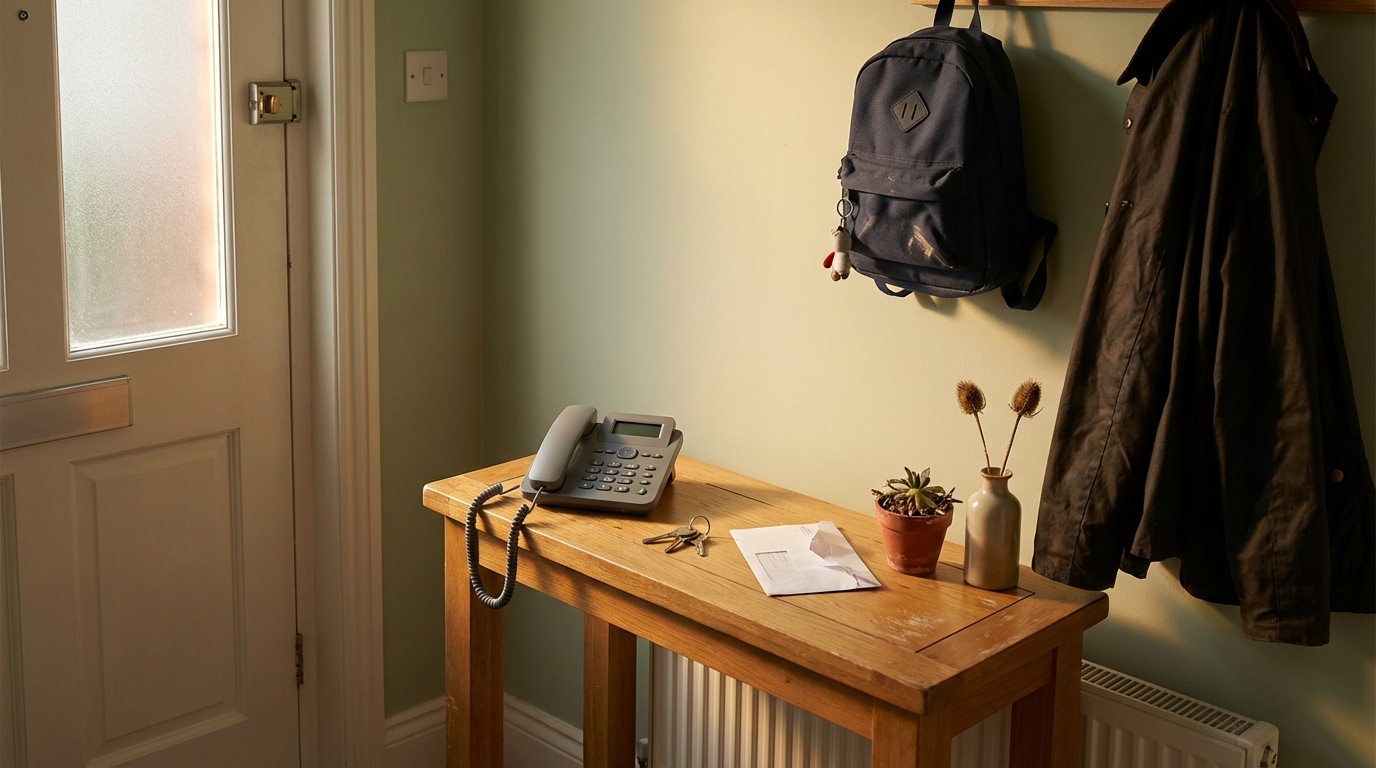
On the kitchen counter, a newer category is appearing: the VoIP landline reimagined for the 2020s. Kite Phone is one example, it sits in the house and lets children call friends without a screen they carry everywhere. When three families in West London trialled it last November, the results were mundane in the best possible way. The kids wanted a conference call with three mates to talk about absolutely nothing for twenty minutes.
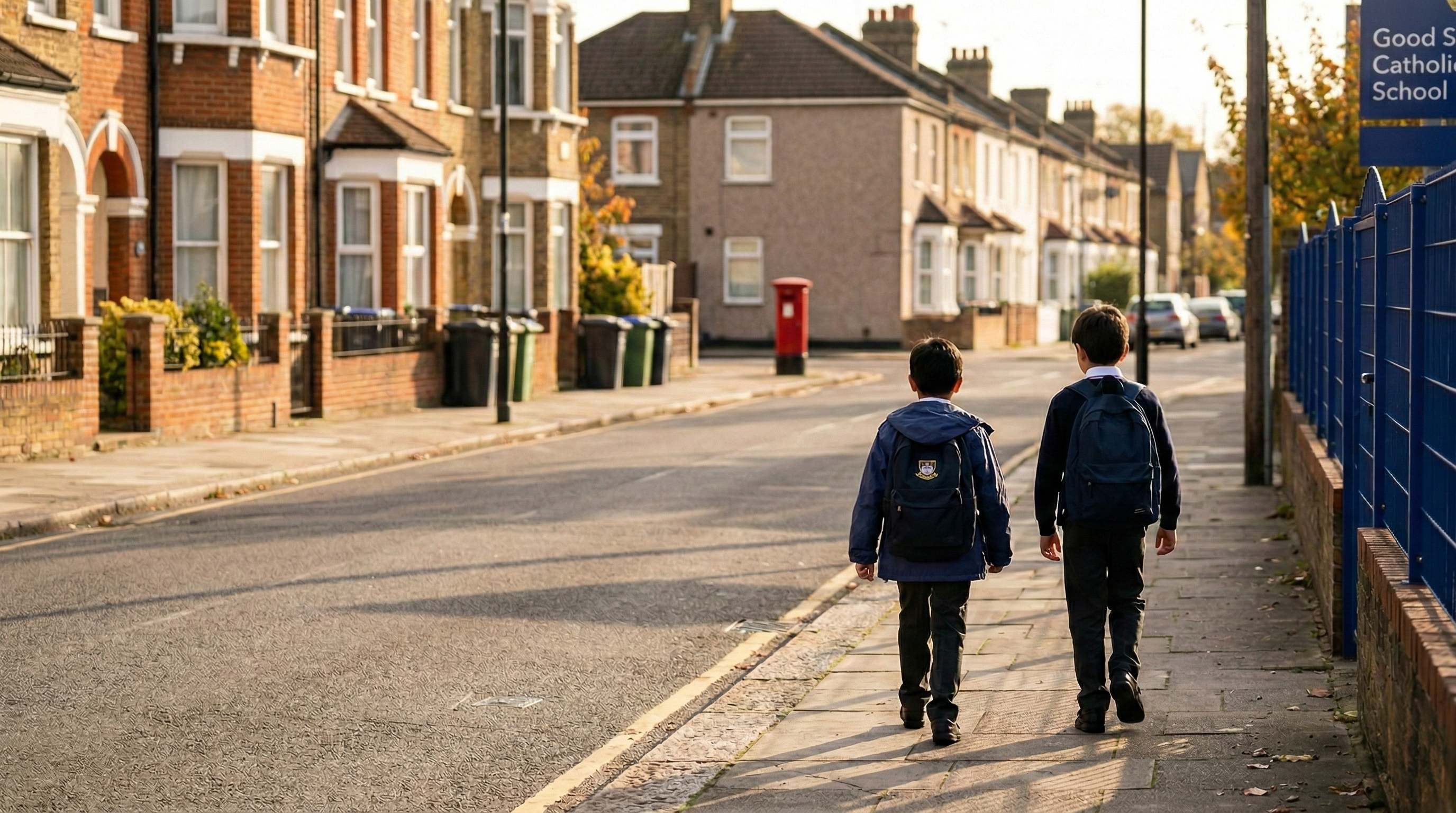
“When thirty parents in a year group decide to wait together, the social pressure evaporates. You aren't taking something away from your child. You are giving them back the ability to walk down the street without looking at a screen.”
Collectively, these alternatives work. The window is wide open right now. The laws are changing, the tech is being challenged, and the excuse that everyone else has one holds less weight every term. You don't have to solve this alone.
There's a separate guide to how VoIP landlines work for families and a broader comparison of smartphone alternatives available in the UK.
Frequently Asked Questions
Related Guides