Best First Phone for Kids by Age: UK Parent's Guide 2026

By Pundarik Ranchhod, Kite Inclusive
Published: 13 May 2026 · 8 min read
What age should a child get their first phone? The answer depends less on a number and more on what problem you're actually solving. A 7 year old calling grandma from the kitchen needs a different device than a 10 year old walking to school alone.
This guide breaks down phone recommendations by age group, based on what UK children actually need at each stage of development. No marketing fluff—just practical advice from families who've made these decisions.
Why age matters more than you think
The phone industry treats children as a single market segment. They're not. A 6 year old has fundamentally different needs than an 11 year old. The right first phone depends on three factors:
- Supervision level: Are they always with an adult, or walking to school alone?
- Social needs: Do they need to coordinate with friends independently?
- Developmental readiness: Can they handle the responsibility and temptation?
A phone that's perfect for one age group can be harmful or useless for another. Here's what actually works at each stage.
Under 7: Do they actually need a phone?
The honest answer: probably not a mobile phone.
Children under 7 are almost always with a parent, at school, or with a known caregiver. They have no independent travel. They don't arrange their own playdates. The use case for a portable phone simply doesn't exist yet.
What they do want is the independence of calling Grandma without asking you to dial. They want to phone a friend to chat about school. These are healthy communication skills to develop—but they don't require a device in their pocket.
“Children under 7 don't need a phone in their pocket. They need a phone in their home.”
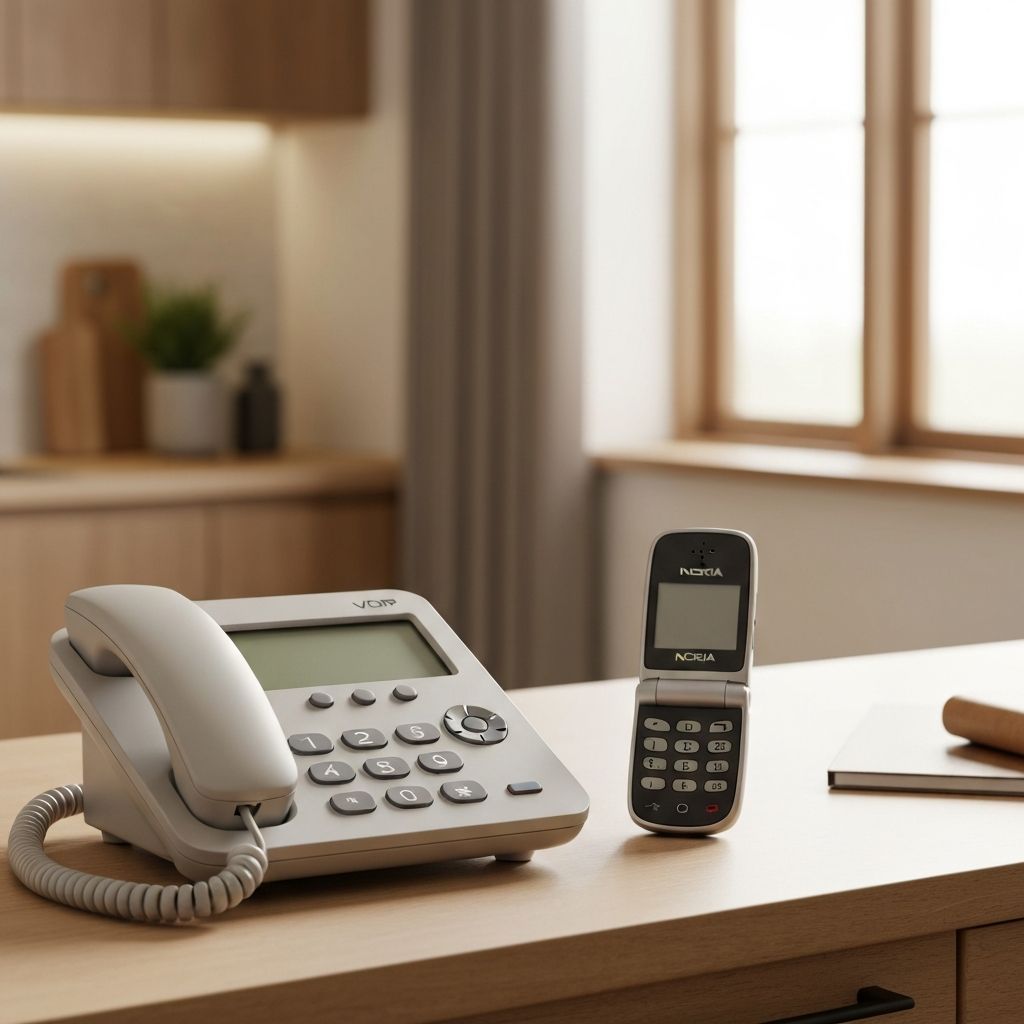
Best option for under 7s: A WiFi landline phone like Kite Phone (£14/month). The child dials 4-digit codes to reach approved contacts. No screen. No apps. No internet. Calls happen in shared family spaces, so you have natural oversight without surveillance.
Why it works: At this age, children benefit from communication independence, not mobility. A home phone teaches them phone etiquette, how to have a conversation, and how to end a call politely—skills they'll need later.
Skip: GPS watches for very young children (unless you have specific safety concerns). The distraction of a wrist device during school hours often creates more problems than it solves.
Ages 7-9: The sweet spot for first phones
This is when most families first feel the pressure. Children start coordinating socially with friends. Some begin walking to school or attending activities independently. The "but everyone else has one" arguments begin.
The key question: Does your child actually travel alone, or are they always with you?
If they're always supervised:
A WiFi landline remains the best option. It handles all social calling from home—group calls with friends, check-ins with grandparents, coordinating weekend plans. The child gets genuine independence without a portable screen.
Cost: £14/month for Kite Phone (£504 over 3 years)
If they walk to school or travel alone:
Add a GPS watch or basic phone for outdoor safety. The combination covers both needs: landline for social calls at home, GPS/basic phone for emergencies outside.
Option A: Landline + GPS watch
Best for ages 7-8. The watch provides location tracking and basic calling to approved numbers. Kids can't leave it behind like a phone.
Cost: £14/month landline + £5-10/month GPS watch SIM = £19-24/month
Option B: Landline + basic Nokia
Better for ages 8-9. A Nokia 105 (£20) or Nokia 2660 Flip (£30) handles calls and texts with zero internet. Can call 999 in emergencies.
Cost: £14/month landline + £5-10/month PAYG = £19-24/month
Not sure which combination fits your family?
Answer 3 quick questions about your child's age, home setup, and what matters most to you.
Get Your Kite PhoneAges 10-11: Preparing for secondary school
Year 5 and 6 bring increasing pressure. Many children start travelling independently. The countdown to secondary school creates anxiety about "being ready." Smartphone requests intensify.
The trap: Parents often cave to smartphone pressure here, thinking "they'll need one for Year 7 anyway." But giving a smartphone at 10 means two extra years of exposure to social media, algorithmic content, and screen addiction—during a critical developmental period.
“Giving a smartphone at 10 'because they'll need one for Year 7' means two extra years of unnecessary risk.”
Best approach for 10-11 year olds:
- Keep the WiFi landline for home social calls—the group calling feature becomes increasingly valuable as social lives expand
- Upgrade to a basic phone if they don't already have one for outdoor use
- Join a Smartphone Free Childhood school-gate pact—collective agreements remove the "everyone else has one" pressure
What about secondary school preparation? Your child doesn't need a smartphone to "learn how to use technology." They learn technology in ICT lessons. What they need is the ability to call home and be reachable—which a basic phone handles perfectly.
Ages 12+: The smartphone pressure intensifies
Year 7 is the inflection point. Children enter secondary school. Peer groups reform. The pressure to conform peaks. Many parents hand over a smartphone simply to end the daily arguments.
The evidence is clear: Delaying smartphones until at least 14 (Year 9) significantly reduces risks of anxiety, depression, and social media addiction. The Smartphone Free Childhood movement now has thousands of UK families committed to this approach.
Practical options for ages 12+:
- Continue with basic phone + landline if your school-gate pact holds and social pressure remains manageable
- Consider a dumb phone that handles calls and texts without internet—Nokia 2660 Flip offers a more "teen" form factor
- If you must go smartphone, use a heavily locked-down device with proper parental controls or a managed phone like Pinwheel
The strongest predictor of success at this age is collective action. One family delaying feels like punishment. Twenty families delaying together feels like a sensible norm.
Still not sure what's right for your child?
Take our 30-second quiz. Answer three questions about your child's age, your home WiFi setup, and what matters most to you. We'll give you a personalised recommendation.
Take the quizQuick reference: Best first phone by age
| Age | Primary recommendation | Add if travelling alone | Monthly cost |
|---|---|---|---|
| Under 7 | WiFi landline (Kite Phone) | Usually not needed | £14 |
| 7-9 | WiFi landline (Kite Phone) | GPS watch or basic Nokia | £14-24 |
| 10-11 | WiFi landline + basic phone | Already included | £19-24 |
| 12+ | Basic phone + landline | Already included | £19-24 |
For detailed comparisons of specific devices in each category, see our comprehensive guide comparing every phone alternative for UK children.
Frequently Asked Questions
Related Guides
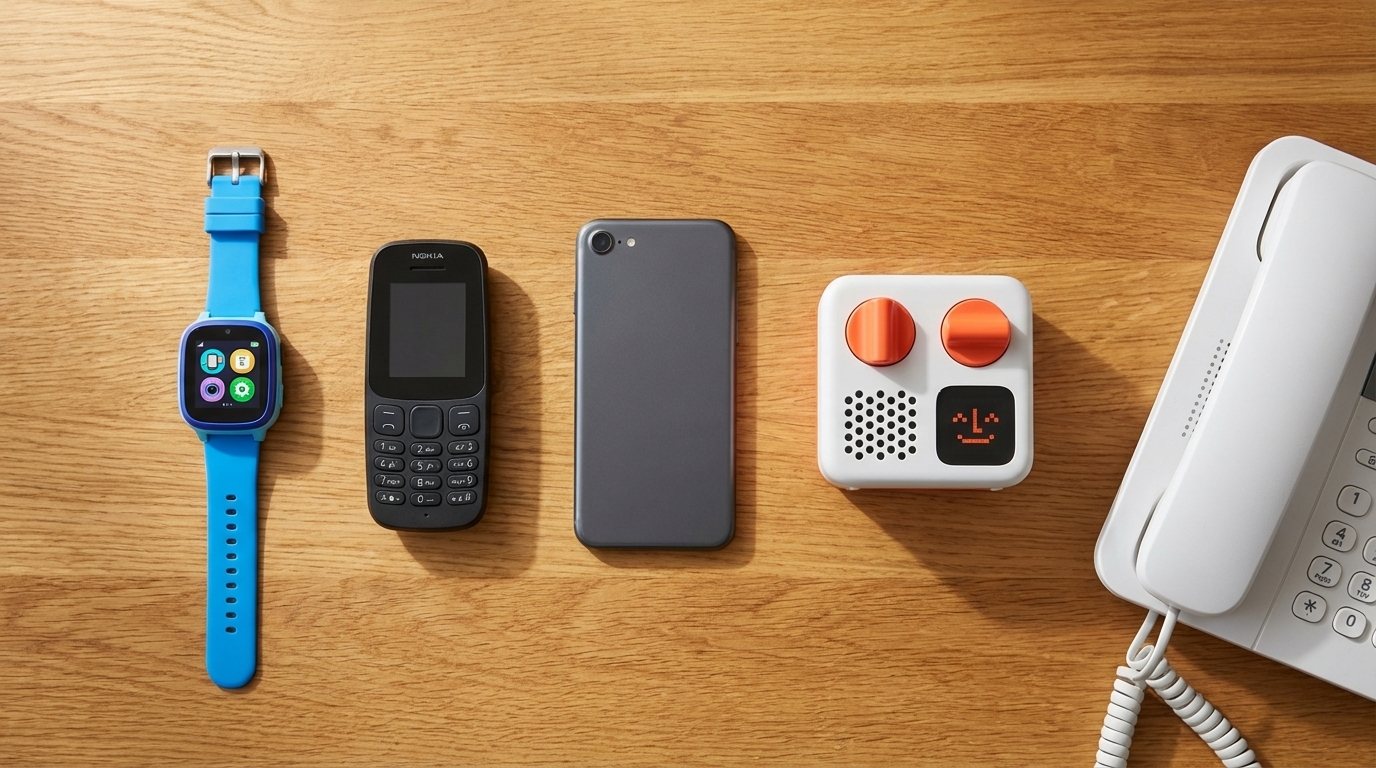
Best First Phone for Kids UK 2026: GPS Watches vs Dumb Phones vs WiFi Landlines Compared
19 Mar 2026 · 12 min read